
Wisconsin Plans New Rules for Bitcoin ATMs: Full ID Checks for All Transactions
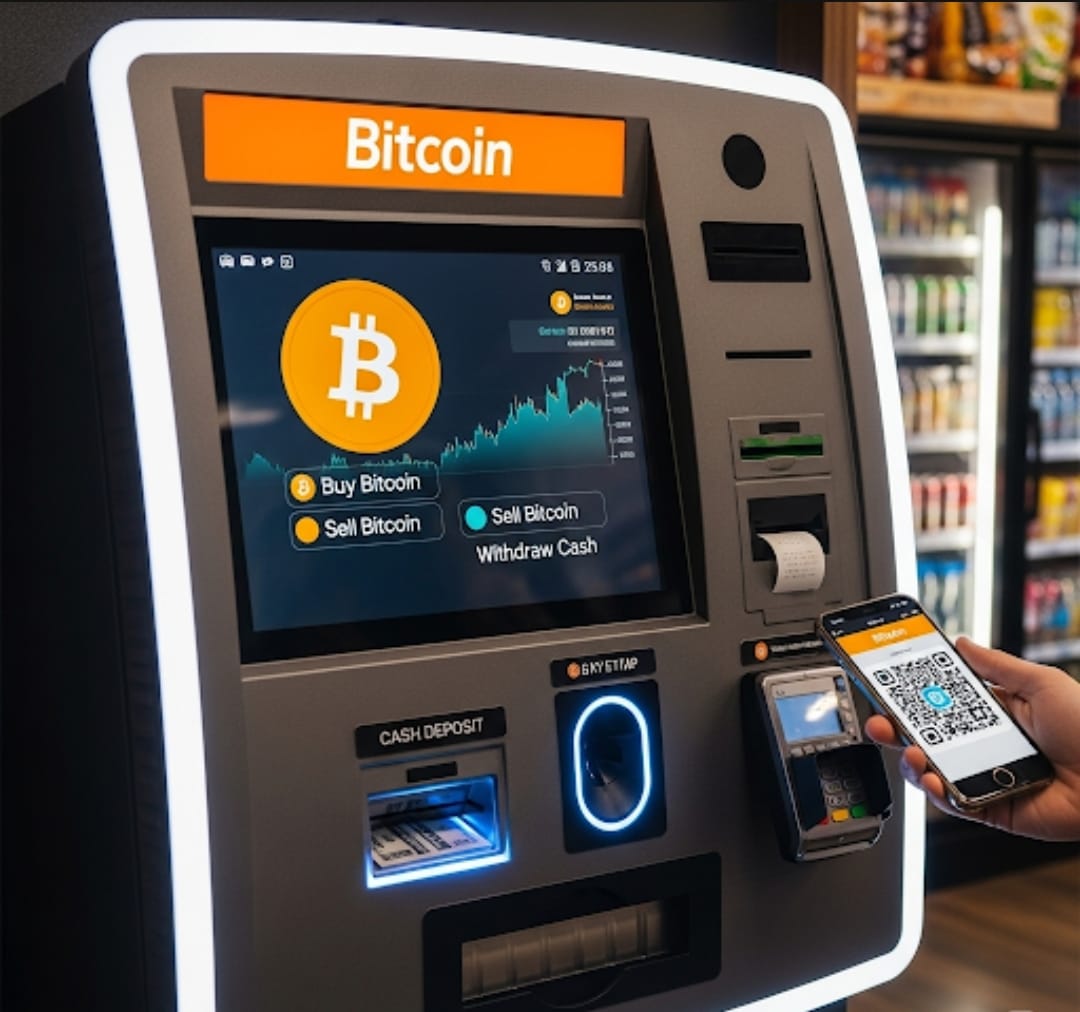
Wisconsin lawmakers have proposed a new law that could change the way people use Bitcoin ATMs in the state. The bill introduces strict rules requiring every Bitcoin ATM operator to follow complete “Know Your Customer” (KYC) procedures for all transactions—no matter how small.
This means that whether someone is buying a large amount of Bitcoin or just a few dollars’ worth, they would need to provide full identification before completing the transaction.
Why Lawmakers Want Stricter Rules
The main reason behind this proposal is to prevent criminal activities like fraud, scams, and money laundering. Lawmakers say that cryptocurrency kiosks have become a target for bad actors who use them to move money without being tracked. By requiring everyone to show valid ID, the goal is to make it much harder for criminals to use these machines for illegal purposes.
Fraud cases involving cryptocurrency have been on the rise, with scammers often tricking people into depositing money into Bitcoin ATMs to send funds to the fraudster. In many cases, because small transactions don’t require ID under current rules, tracking these criminals becomes difficult. Lawmakers believe closing this loophole will make it easier for authorities to investigate suspicious activities.
How the KYC Process Would Work
If the bill becomes law, anyone using a Bitcoin ATM in Wisconsin would have to go through a verification process before buying or selling cryptocurrency. This would include:
- Showing a valid government-issued ID, such as a driver’s license, state ID card, or passport.
- Providing personal details like name, address, and date of birth.
- Allowing the ATM operator to record transaction details, including the amount and the type of cryptocurrency bought or sold.
All this information would be stored securely by the ATM operator and could be shared with law enforcement if suspicious or illegal activity is suspected.
At present, many Bitcoin ATMs allow small transactions—often under a few hundred dollars—without requiring ID. Scammers have been taking advantage of this by breaking large amounts into smaller transactions to avoid detection. The new law would remove that possibility by requiring KYC for every transaction, even if it’s for a very small amount.
Reactions from the Crypto Community
The proposal has sparked mixed reactions in Wisconsin’s cryptocurrency industry.
- Supporters of the bill say it will help protect people from fraud, make the crypto space safer, and improve the reputation of Bitcoin services. They argue that by building trust through strong regulations, more people may feel comfortable using cryptocurrency.
- Critics, however, believe these rules could discourage people from using Bitcoin ATMs altogether. They argue that many users value the speed and privacy these machines offer, and adding strict ID requirements might push them toward less-regulated platforms, which could be even riskier.
Some operators also worry about the added costs of implementing these systems, such as upgrading machines and securely storing customer data. Smaller businesses may struggle with the expense, which could lead to fewer Bitcoin ATMs in the state.
A Potential Model for Other States
If Wisconsin passes this bill, it could become an example for other states thinking about similar regulations. The move might signal a wider trend toward stricter compliance in the cryptocurrency kiosk industry across the U.S.
Federal agencies have also been increasing their oversight of the crypto sector, and state-level laws like this one could become more common. This would mean a shift away from the more relaxed rules that have existed for Bitcoin ATMs in the past.
What It Means for Users
For regular Bitcoin ATM users in Wisconsin, the change would be simple but significant—they would need to carry valid ID every time they make a transaction. While some may see this as an inconvenience, others may appreciate the added security and protection against scams.
The debate over the bill reflects a larger conversation happening worldwide about how to balance innovation in cryptocurrency with the need to protect consumers and prevent crime. Whether people agree or disagree with the proposal, it’s clear that regulation in the crypto space is tightening, and users should expect more rules in the future.
If approved, the Wisconsin Bitcoin ATM law could take effect in the coming months, making the state one of the strictest in the country when it comes to cryptocurrency kiosk transactions.
Read More “XRP Classified as Commodity in CFTC Event Contracts, Boosting Market Legitimacy”
Disclaimer:
The information provided is for informational and educational purposes only and should not be considered financial, investment, or legal advice. We do not guarantee the accuracy, completeness, or reliability of any information presented. Any financial decisions you make based on this content are at your own risk. Always conduct your own research and consult with a qualified financial advisor before making any investment decisions. Investing involves risk, and past performance is not indicative of future results. We are not responsible for any losses or damages resulting from your actions.
Comments are closed.