XRP Gets Commodity Status in CFTC Event Contracts Filing
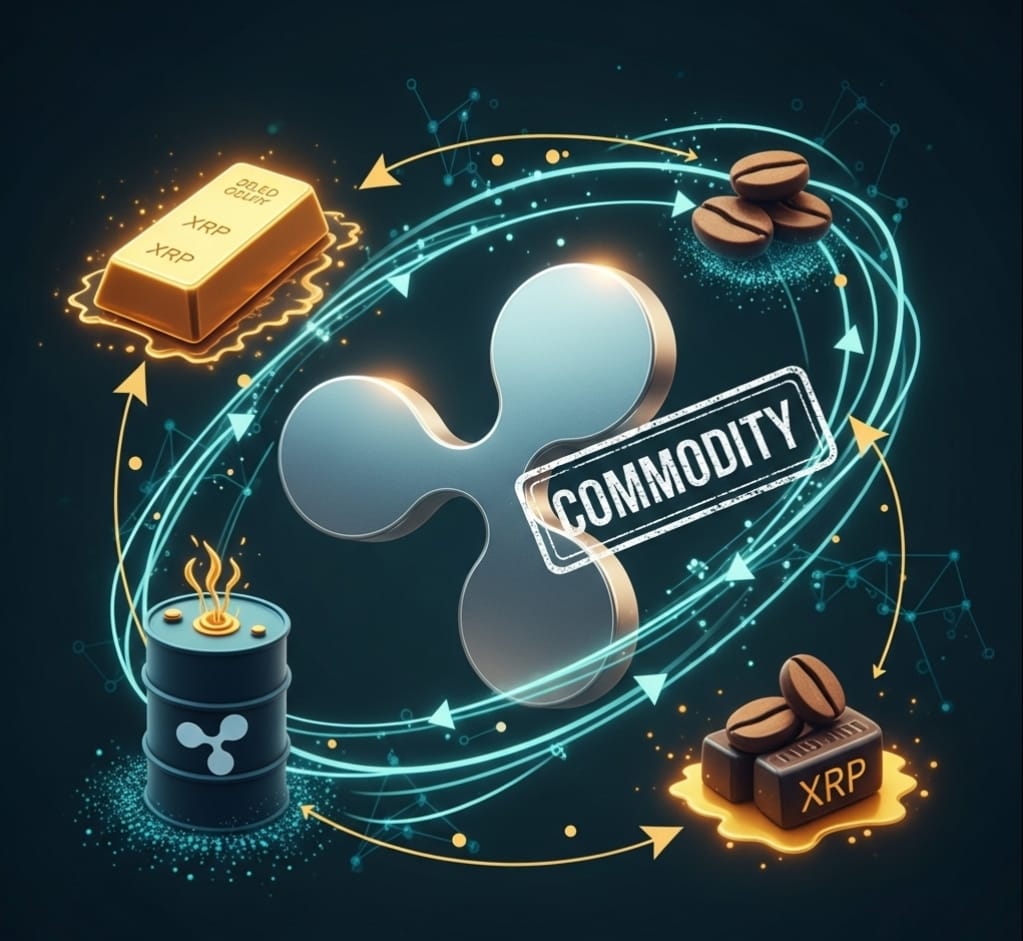
In a big step for cryptocurrency regulation, XRP has now been listed as a commodity in newly added U.S. Commodity Futures Trading Commission (CFTC) Event Contracts. This move doesn’t officially define XRP’s legal status in every context, but it does place it alongside Bitcoin and Ethereum in certain trading environments.
The classification comes from an official filing made under Rule 13.43 of the exchange’s rulebook. This filing lays out the details for a new set of cryptocurrency event contracts that will use XRP as their main asset.
What the Filing Says
According to the filing, XRP will serve as the underlying asset for this new category of event contracts. The contracts will track XRP prices based on the midpoint between bid and ask prices in the spot market, with data provided by Lukka, Inc. Prices will be quoted in U.S. dollars.
For trading flexibility, these event contracts will be available in two formats:
- 2-hour intervals
- 20-minute intervals
The first expiry for the 2-hour contracts will be at 1:00 a.m. ET on Saturday, while the 20-minute contracts will first expire at 11:20 p.m. ET on Friday. The final expiration for both will occur at 4:00 p.m. ET the following Friday.
The strike price intervals are set at 0.01 for 2-hour contracts and 0.004 for 20-minute contracts. Each series will list nine strike price levels, giving traders a range of options for speculation or risk management.
Regulatory Context and Legal History
This development is significant because XRP’s legal classification has been under debate for years. The U.S. Securities and Exchange Commission (SEC) had previously accused Ripple Labs—the company closely linked to XRP—of selling it as an unregistered security.
However, a federal court later ruled that XRP itself is not a security. While the SEC appealed other aspects of the ruling, it did not challenge this specific finding.
Still, there has never been an official, all-encompassing ruling from either the SEC or the CFTC clearly defining XRP’s full regulatory status. That’s why this filing is so notable—it treats XRP as a commodity for the purposes of these event contracts, much like how other commodity-based financial products are handled.
Why This Matters for the Market
Even though this classification applies only to the specific derivative products listed on the exchange, it could still have a ripple effect (pun intended) in the wider crypto market.
By treating XRP as a commodity in this setting, the door opens for the creation of more regulated derivative products, such as:
- XRP futures
- XRP options
- Other commodity-based instruments tied to XRP prices
This could attract institutional investors who prefer trading regulated products. It might also encourage exchanges and trading platforms to explore similar offerings.
Shifting Regulatory Attitudes
The move also comes at a time when U.S. regulators are starting to take a broader view of how cryptocurrencies should be classified. Paul Atkins, the current Head of the SEC, has suggested that most cryptocurrencies are not securities. This is a major shift from the approach of former SEC Chairman Gary Gensler, who has said that only Bitcoin is definitely not a security.
If more regulators adopt Atkins’ perspective, cryptocurrencies like XRP could enjoy greater market freedom and fewer restrictions, at least in terms of securities law.
Looking Ahead
While this filing doesn’t mean XRP has a final, legally binding commodity classification across all contexts, it is still a key step forward. The fact that the CFTC has approved contracts that treat XRP like a commodity—alongside Bitcoin and Ethereum—sends a strong signal to the market.
For traders and investors, this could mean:
- More regulated investment options involving XRP
- Greater legitimacy for XRP in traditional finance circles
- Increased interest from large institutions
As cryptocurrency markets mature, steps like this could help bridge the gap between traditional finance and the digital asset world, giving cryptocurrencies a stronger place in global trading systems.
Read More “Dubai Issues First Crypto Options License, Paving the Way for Global Leadership in Digital Finance”
Disclaimer:
The information provided is for informational and educational purposes only and should not be considered financial, investment, or legal advice. We do not guarantee the accuracy, completeness, or reliability of any information presented. Any financial decisions you make based on this content are at your own risk. Always conduct your own research and consult with a qualified financial advisor before making any investment decisions. Investing involves risk, and past performance is not indicative of future results. We are not responsible for any losses or damages resulting from your actions.
Comments are closed.